
Pressure Washing vs. Soft Washing: How to Choose the Right Method for Your Property
PWNA-certified pressure washing, soft wash roof cleaning, house washing, and paver restoration for homeowners and businesses across Lakewood Ranch and the greater Sarasota-Manatee area.
Why a Clean Home Matters
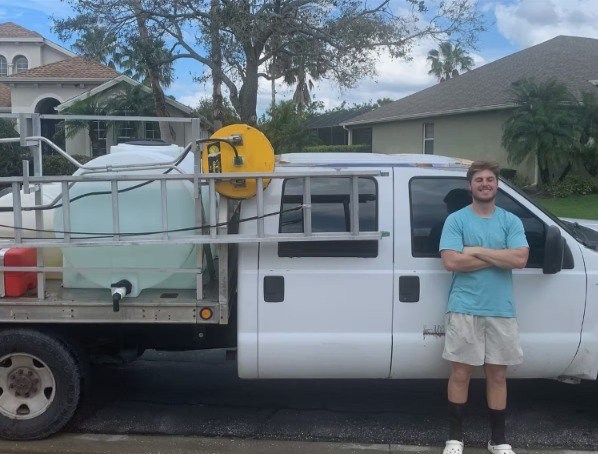
Keeping your home clean protects its value and boosts curb appeal.
Two top methods fight dirt and organic growth: pressure washing and
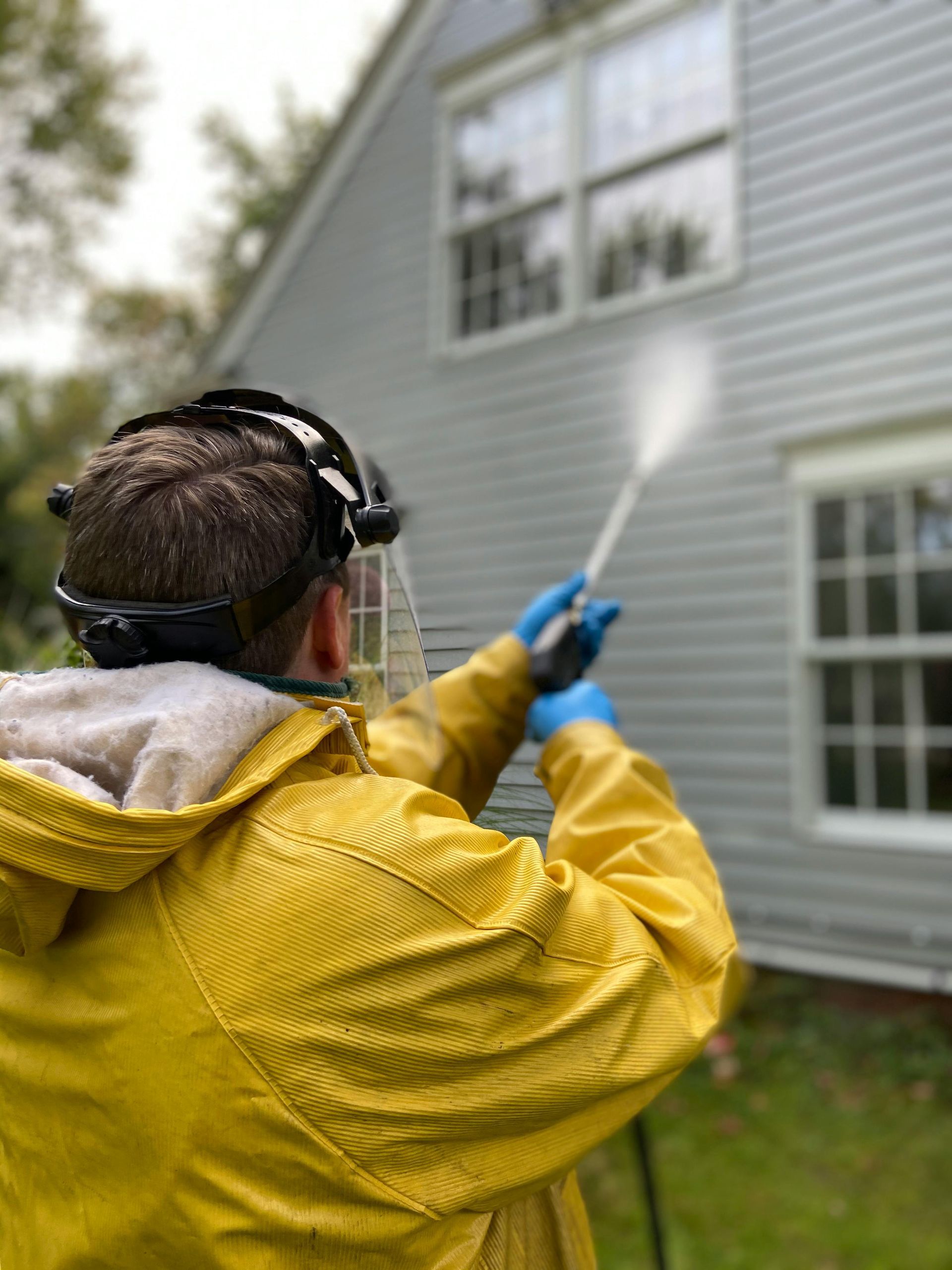
soft washing. Pressure washing uses high-pressure water to blast away debris. Soft washing combines gentle water pressure with cleaning solutions to kill mold, mildew, and algae at the source. Learn
why Lakewood Ranch homes get dirty so fast.
Choose the right method based on your surface, stain type, and long-term goals.
Blast Away Grime with Pressure Washing
Pressure washing forces water through a narrow nozzle at 1,500–4,000 PSI. This power makes it ideal for hard surfaces like concrete driveways, brick patios, and metal railings. You’ll see fast results without chemicals. Just be careful—high pressure can damage softer materials such as wood or shingle roofing if used at full strength.
Clean with Care: What Is Soft Washing?
Soft washing uses low-pressure water (100–500 PSI) plus biodegradable solutions. It excels on roof shingles, vinyl siding, wood decks, and fences. The cleaning agents break down organic growth at the root, preventing regrowth for months. Soft washing costs more than pressure washing but delivers longer-lasting protection and reduces risk of surface damage.
Side-by-Side: Which Method Fits Your Surface?
Pressure Washing
- Pros: Fast stain removal; no chemicals; lower cost per square foot
- Cons: Risk of surface damage; limited effect on mold and algae
Soft Washing
- Pros: Kills mold and algae; gentle on delicate surfaces; delays regrowth
- Cons: Requires chemicals; higher cost per square foot
Match the Method to the Material
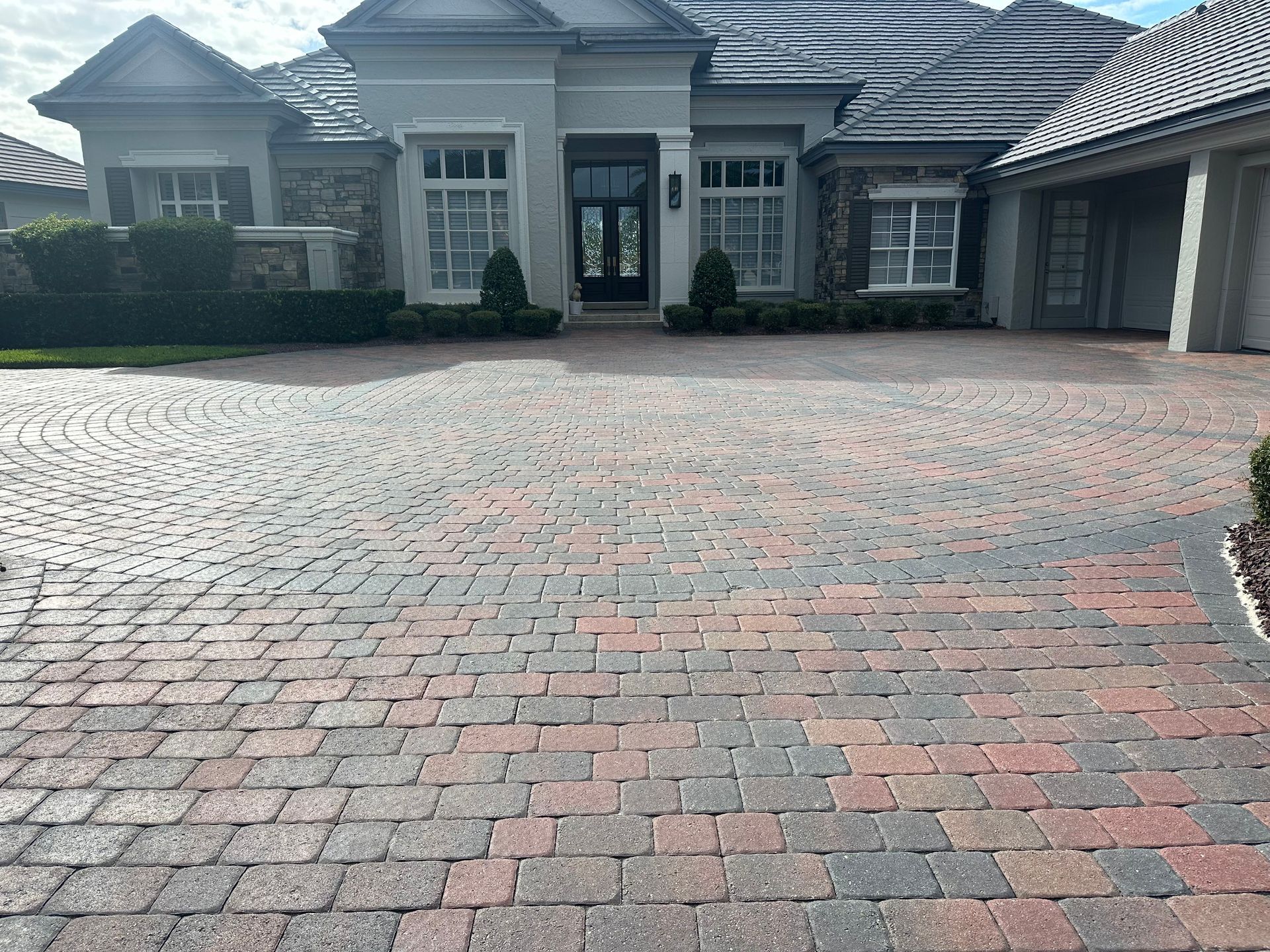
- Driveways & Walkways: Pressure wash to clear oil spots, tire marks, and dirt.
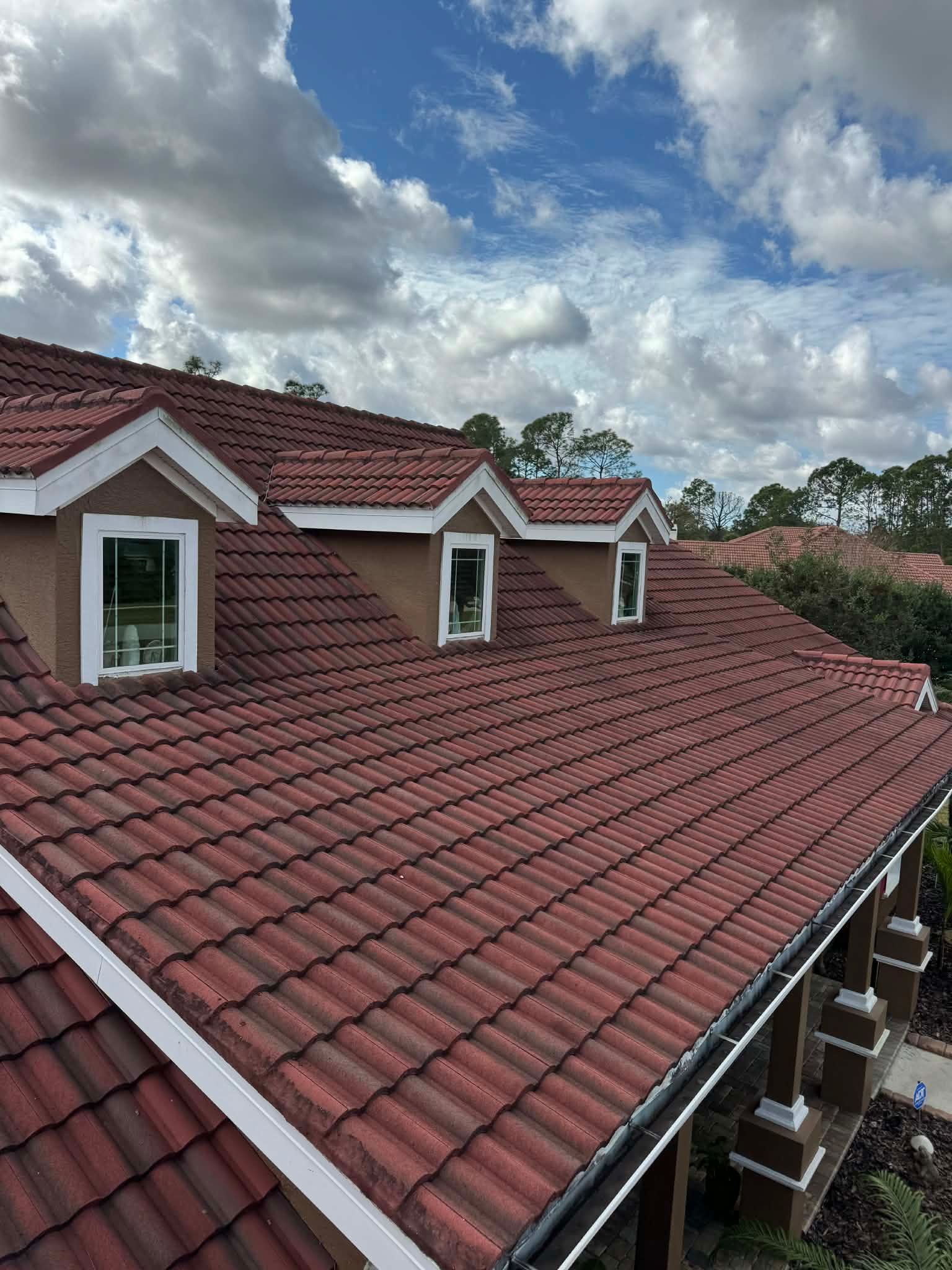
- Roofs & Gutters: Soft wash to remove algae without harming shingles.
- Decks & Fences: Soft wash to protect wood grain and finish.
- Siding & Trim: Soft house wash on vinyl or painted surfaces to prevent paint peeling.
Pick Your Perfect Cleaning Plan
Inspect Your Surface: Hard surfaces favor pressure washing; delicate or organic-prone surfaces need soft washing.
Identify the Stain: Oil and rust call for pressure washing; mold and mildew call for soft washing.
Set Your Budget: Pressure washing fits tight budgets; soft washing offers extended protection.
Frequently Asked Questions — Pressure Washing vs. Soft Washing in Lakewood Ranch
How do I know which method my home actually needs?
The surface tells you. Hard, durable materials like concrete driveways, pool decks, brick pavers, and walkways can handle direct pressure washing — that's the right tool for the job. Anything softer, coated, or structurally sensitive needs soft washing. That means stucco, painted siding, vinyl, wood, roof shingles, screened enclosures, and fences. In practice, most Lakewood Ranch homes need both depending on which surface you're cleaning. A professional assesses each surface before starting rather than running the same machine across everything — which is exactly how damage happens on jobs done by less experienced operators.
Is soft washing actually as effective as pressure washing, or does it just seem gentler?
It's more effective on biological growth, which is the primary problem on most Florida home exteriors. The reason is straightforward: pressure washing physically removes what's on the surface, but it doesn't kill it. Algae and mildew blasted off a roof or siding can redistribute, regrow from residual root systems, or simply return faster because nothing eliminated the organism. Soft washing applies biodegradable cleaning solutions that kill the algae, mold, and mildew at the biological level before rinsing. The result lasts noticeably longer because the source of the problem is actually gone rather than temporarily displaced.
Can soft washing damage my landscaping or plants?
Not when it's applied correctly by a trained professional. The biodegradable solutions used in soft washing are formulated to be safe for surrounding vegetation when properly diluted and rinsed. Standard practice is to pre-wet all plants and landscaping near the work area before cleaning begins and rinse them again after, which dilutes any chemical contact to well within safe levels. If you have particularly sensitive plantings or recently installed landscaping close to the house, mention it before the crew starts — that's easy to accommodate with a heads up.
Why would someone use pressure washing if soft washing lasts longer?
Because they serve different purposes. Soft washing is the right method for biological growth on surfaces that can't handle direct pressure. Pressure washing is the right method for heavy physical soiling on hard surfaces where you need force to remove oil stains, tire marks, embedded dirt, or concrete discoloration that isn't biological in origin. On a driveway, for example, you want the mechanical force of pressure washing — soft washing alone wouldn't clear deep oil staining or tire marks the way direct pressure with the right detergent would. Choosing between them isn't a matter of one being better — it's a matter of matching the method to what the surface actually needs.
Does it matter if a company is certified when it comes to choosing between these methods?
It matters a lot, precisely because of situations like this one. An uncertified operator often defaults to high pressure because it's fast and the results are immediately visible — even when high pressure is wrong for the surface. PWNA-certified technicians are trained specifically on surface identification, appropriate PSI settings, and when to use chemical cleaning versus mechanical pressure. That training exists because the industry recognized how often untrained operators cause damage by applying the wrong method. When you hire a certified company, the decision about which method to use isn't a judgment call made on the fly — it's a trained assessment applied consistently to every surface.
What PSI is safe for different surfaces around my home?
The ranges matter more than most homeowners realize. Concrete driveways and pool decks can typically handle 2,500 to 3,500 PSI with a surface cleaner attachment. Brick and pavers generally land between 1,500 and 2,500 PSI depending on age and condition. Vinyl siding should stay below 1,500 PSI, and painted surfaces lower still. Stucco, wood, and roof shingles shouldn't receive direct high pressure at all — those require soft wash methods at 100 to 500 PSI where the chemistry does the work instead of the force. These aren't rules of thumb — they're the kind of knowledge that separates a trained professional from someone running a rental machine at full output on everything.
Ready for a Fresh Start?
Pressure washing and soft washing each play a vital role in home care. Choose the right method to keep your home looking its best.
Contact Florida Boys Pressure Washing today for a free inspection and expert recommendation!
About the Author
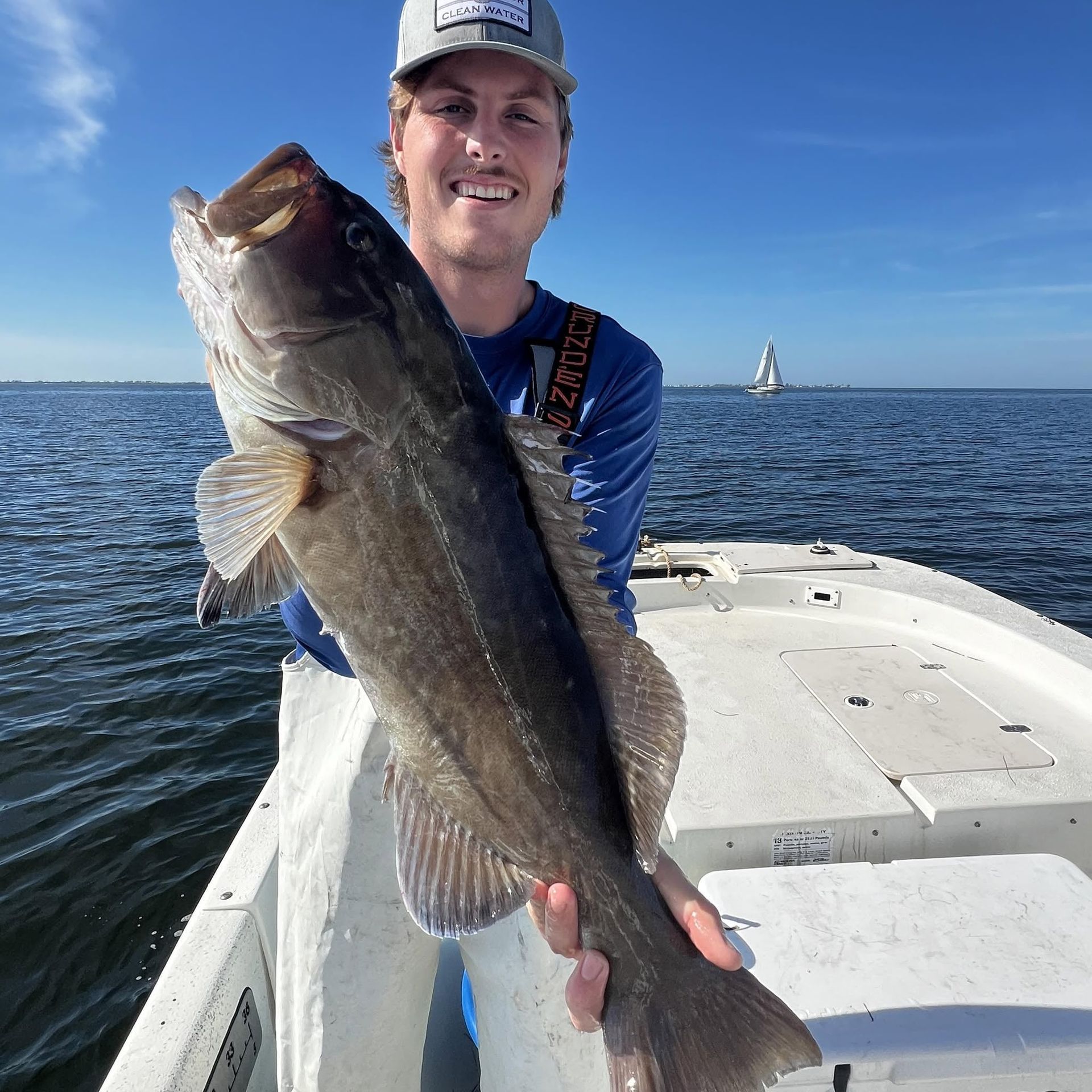
Meet Logan Lipker — Owner of Florida Boys Pressure Washing
Florida Boys Pressure Washing is owned and operated by
Logan Lipker, a Lakewood Ranch native and 2021 graduate of Braden River High School. Logan has spent the last six years in the pressure washing industry, honing his craft with several other companies before going out on his own to bring a higher standard of care to homeowners across the Suncoast.
"I started this company because I saw too many jobs get rushed or half-explained. My goal is simple — treat every property like it's my own, and make sure every homeowner knows exactly what they're paying for and why. That's how you earn trust in this business, not just a paycheck." — Logan Lipker
When he's not on the job, Logan's usually golfing, fishing, at the range, or on the basketball court — he's always had a competitive edge. That drive fuels the business too: Logan's mission is to provide real value and satisfaction to every client, with full transparency from start to finish. Next up, he's looking to expand
Florida Boys Pressure Washing into commercial work, bringing that same trust and quality to businesses across the area.
Articles from the Best Lakewood Ranch Pressure Washing And Paver Sealing Company
We're not just another pressure washing company — we're a trusted part of the Lakewood Ranch, Bradenton, and Sarasota communities. At Florida Boys Pressure Washing LLC, our mission is to help your home or business look its best with quality service you can count on year after year.
Florida Boys Pressure Washing proudly holds
PWNA Contractor Certification, the pressure washing industry's most recognized credential for professionalism, technical training, and ethical business practices.
Pressure Washing Near Me
Find Trusted Pressure Washing Experts in Bradenton, Sarasota & Lakewood Ranch
Florida Boys Pressure Washing LLC is your local partner in maintaining that
Lakewood Ranch shine. From soft wash roof cleaning and house washing to paver sealing and power washing, we proudly help keep this award-winning community looking its absolute best.
Based in
Lakewood Ranch, FL, we are committed to providing reliable, high-quality service to our local community and beyond.
PWNA-Certified Power Washing
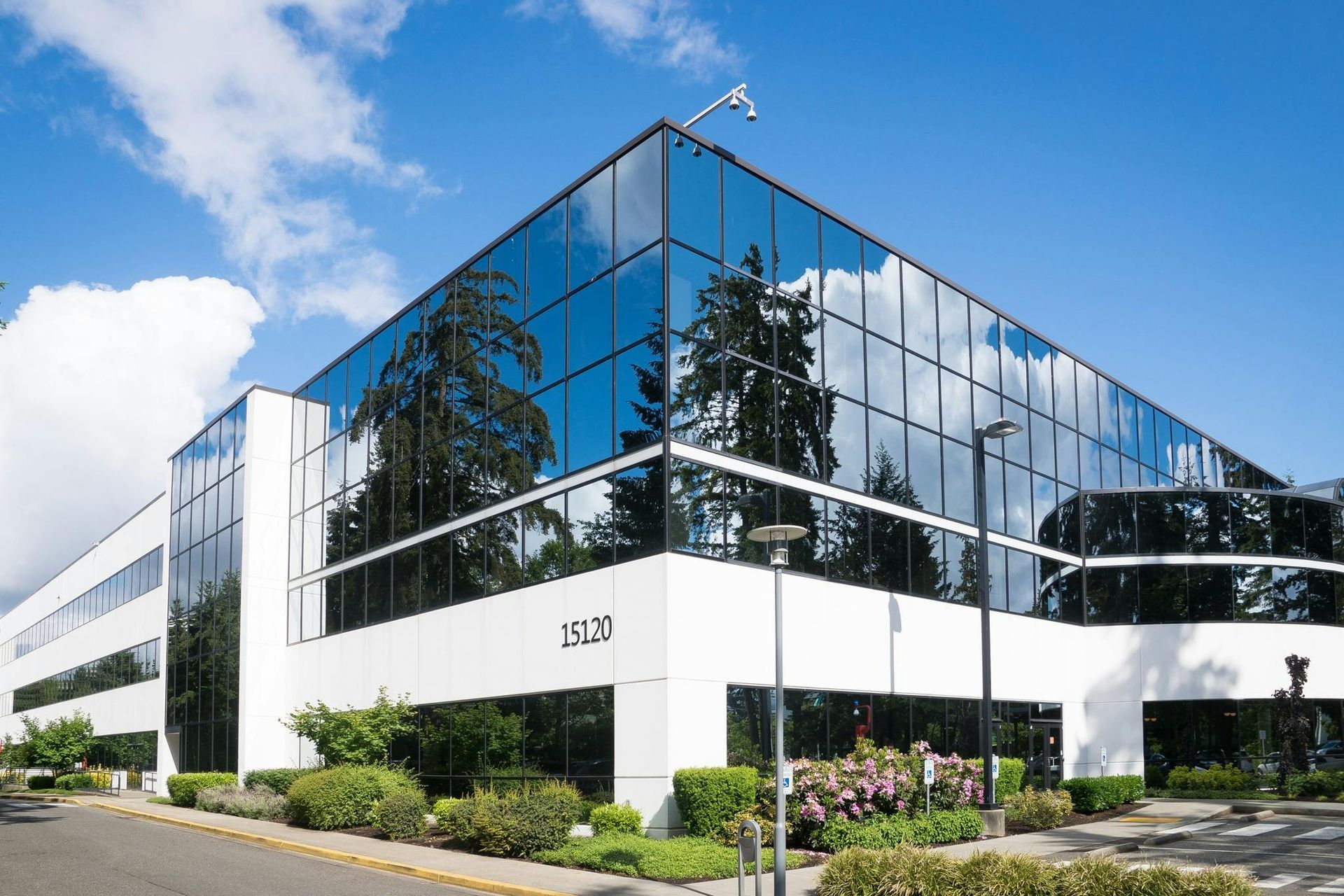
Certified Commercial Pressure Washing for Every Property Type
A stained storefront or algae-streaked exterior works against your business before anyone says a word. Florida Boys Pressure Washing provides PWNA-certified commercial pressure washing throughout Lakewood Ranch, Bradenton, and Sarasota — from storefronts and office parks to warehouses and HOA common areas — with the same certified, insured standard on every job. We work around your operating hours, not the other way around, so cleaning never disrupts customers, tenants, or business.
From Storefronts to Warehouses — We've Got Your Property Covered