
Professional Paver Sealing in Lakewood Ranch — What It Does, Why It Matters, and How to Keep Your Surfaces Looking Their Best
PWNA-certified pressure washing, soft wash roof cleaning, house washing, and paver restoration for homeowners and businesses across Lakewood Ranch and the greater Sarasota-Manatee area.
Professional Paver Sealing in Lakewood Ranch
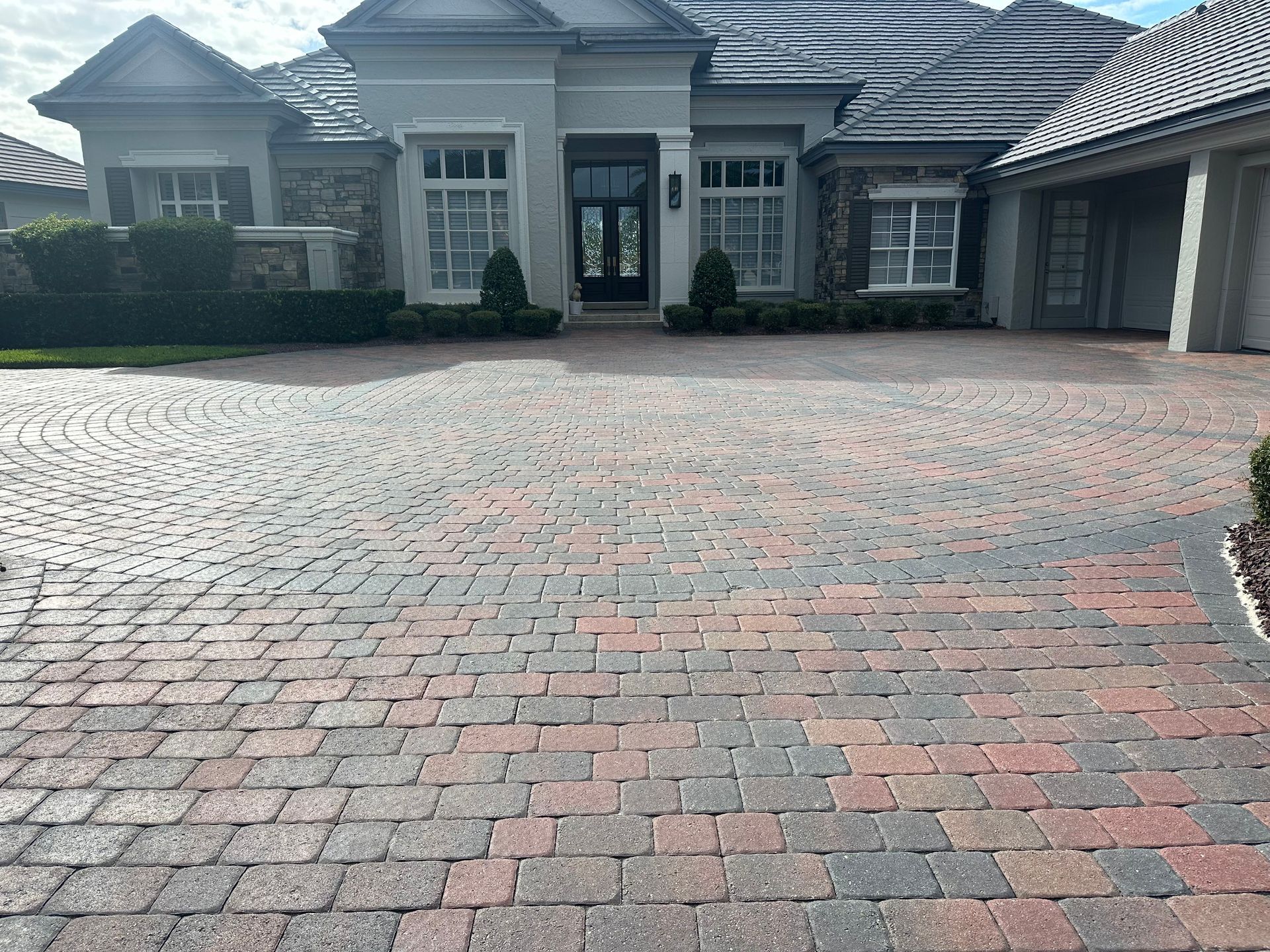
There's a moment most Lakewood Ranch homeowners recognize. The pavers looked incredible when they were installed — rich color, tight joints, clean lines. Then a few years pass. The surface fades. Algae takes hold in the joints and across the face of the pavers. Staining works its way in from leaves, tannins, and pool water. The whole area starts to look tired and worn, even though nothing is structurally wrong with it.
That cycle isn't inevitable. It's what happens when pavers are left unprotected in one of the most demanding outdoor climates in the country. Professional paver sealing in Lakewood Ranch interrupts that cycle — it restores what's been lost and creates a barrier that keeps it from happening again at the same pace.
Here's what the process actually involves, why it matters specifically for this climate, and what a well-maintained paver surface looks like over time.
Why Florida's Climate Is So Hard on Pavers
Lakewood Ranch sits in a climate that doesn't give exterior surfaces a break. Year-round heat accelerates UV fading on paver color and finish. The summer rainy season brings near-daily moisture that keeps joint sand wet, washes it out gradually, and creates ideal conditions for algae and mildew to take hold in the pores of the paver surface. Mature landscaping — one of the things that makes Lakewood Ranch neighborhoods so beautiful — contributes tannins, leaf debris, and organic staining that work into unsealed pavers and become increasingly difficult to clean the longer they sit.
Pool decks deal with an additional layer of exposure. Chlorine and salt chemistry from pool water alter the surface of unsealed pavers over time. Splash-out creates a constant wet/dry cycle that accelerates both staining and surface wear. And pool decks are high-traffic areas where algae growth creates genuine slip hazards, not just an appearance issue.
Driveways take heavy use of a different kind — vehicle weight, oil and petroleum exposure, and the contrast between shaded and sun-exposed sections that causes uneven weathering.
Walkways and entry paths are often overlooked until they're visibly green or stained, at which point the buildup has usually been working its way into the surface for months.
Every one of these surfaces benefits from the same core approach: professional cleaning followed by professional sealing, maintained on a consistent schedule.
The Right Order of Operations: Clean First, Seal Second
This is where a lot of DIY sealing attempts go wrong, and it's worth understanding clearly. Sealing is not a cleaning step. It's a protection step — and it only works as well as the surface preparation underneath it.
Applying sealer over dirty, stained, or algae-covered pavers doesn't clean them. It locks whatever is on the surface in place and traps it under the coating. The result is a sealed surface that still looks discolored, with the additional problem that the staining is now protected by the sealer and significantly harder to address later.
Professional paver cleaning done correctly removes algae and mildew at the biological level rather than just blasting the surface. The right cleaning agents break down organic growth, lift embedded staining, and treat the joints — including any algae that's taken hold in the spaces between pavers. The surface is then allowed to dry completely before any sealer goes down. Sealing over damp pavers traps moisture underneath and causes the sealer to cloud, bubble, or peel prematurely.
When the cleaning is done right and the surface is fully dry, the sealer goes onto a substrate that's genuinely clean and open. The result is a finish that looks dramatically better, bonds properly, and lasts the way it's supposed to.
What Sealing Actually Does for Your Pavers
Sealing isn't cosmetic in the way most homeowners assume. The appearance improvement is real and often striking — but the underlying function is protective.
A quality paver sealer penetrates the surface material and creates a barrier that prevents water, algae, staining compounds, and pool chemistry from working into the pores of the paver. On a sealed surface, most organic staining and debris sits on top of the sealer rather than bonding with the paver itself — which means routine cleaning removes it far more easily than it would from an unsealed surface.
Algae and mildew growth slows significantly because the sealed surface doesn't hold moisture the same way bare pavers do. The spores that land on a sealed surface have a harder time establishing than they would on an open-pored, moisture-retaining substrate. The result is a surface that stays cleaner between professional cleanings and requires less aggressive maintenance to keep it in good shape.
Joint integrity also benefits. Sealed joints lose sand more slowly than unsealed ones because the sealer helps bind the surface material and reduces the erosion caused by rain, irrigation, and foot traffic over time.
For pool decks specifically, sealed pavers also offer better resistance to the pool chemistry exposure that causes color fading and surface degradation on unprotected surfaces — and the right sealer selection ensures the finished surface maintains appropriate slip resistance rather than becoming dangerously smooth when wet.
Sealer Types and What Each One Delivers
Not every sealer is the same product or produces the same result, and choosing the right one for the surface and the homeowner's preference is part of doing the job correctly.
Wet-look or gloss sealers deepen the color of the paver significantly and leave a visible sheen on the surface. They make the colors more vibrant and give the appearance of wet stone — a popular choice for pool decks and decorative paver work where a richer look is the goal. They require reapplication every two to three years and can show wear more visibly as the gloss fades.
Natural-look or matte sealers protect just as effectively but don't alter the appearance of the paver surface. The color stays true to what it looks like dry, without added sheen. This is often preferred for driveways and walkways where a wet-look finish might look out of place, or for homeowners who prefer the natural paver aesthetic without enhancement.
Penetrating sealers go into the paver rather than sitting on top of it, providing protection from within without any surface film. They're particularly well-suited for travertine and natural stone, where a topical sealer might affect the surface texture in undesirable ways. Penetrating sealers are essentially invisible once applied.
The right product depends on the paver material, the surface application, the level of traffic it sees, and the visual outcome the homeowner is looking for. A professional assessment takes all of those factors into account before anything goes down.
Surface by Surface: What to Expect
Driveways
Paver driveways are one of the higher-stakes sealing applications because of the combination of vehicle traffic, oil and petroleum exposure, and the significant visual impact a driveway has on overall curb appeal. Unsealed driveway pavers stain from vehicle fluids, fade unevenly in sun versus shade, and lose joint sand steadily from the weight and movement of vehicles over the surface.
A properly cleaned and sealed paver driveway looks dramatically better, maintains more consistent color, and repels the oil and petroleum-based staining that would otherwise penetrate and bond with the surface. Annual cleaning and resealing every two to three years is the maintenance cadence that keeps a paver driveway performing the way it should in Lakewood Ranch's climate.
Pool Decks
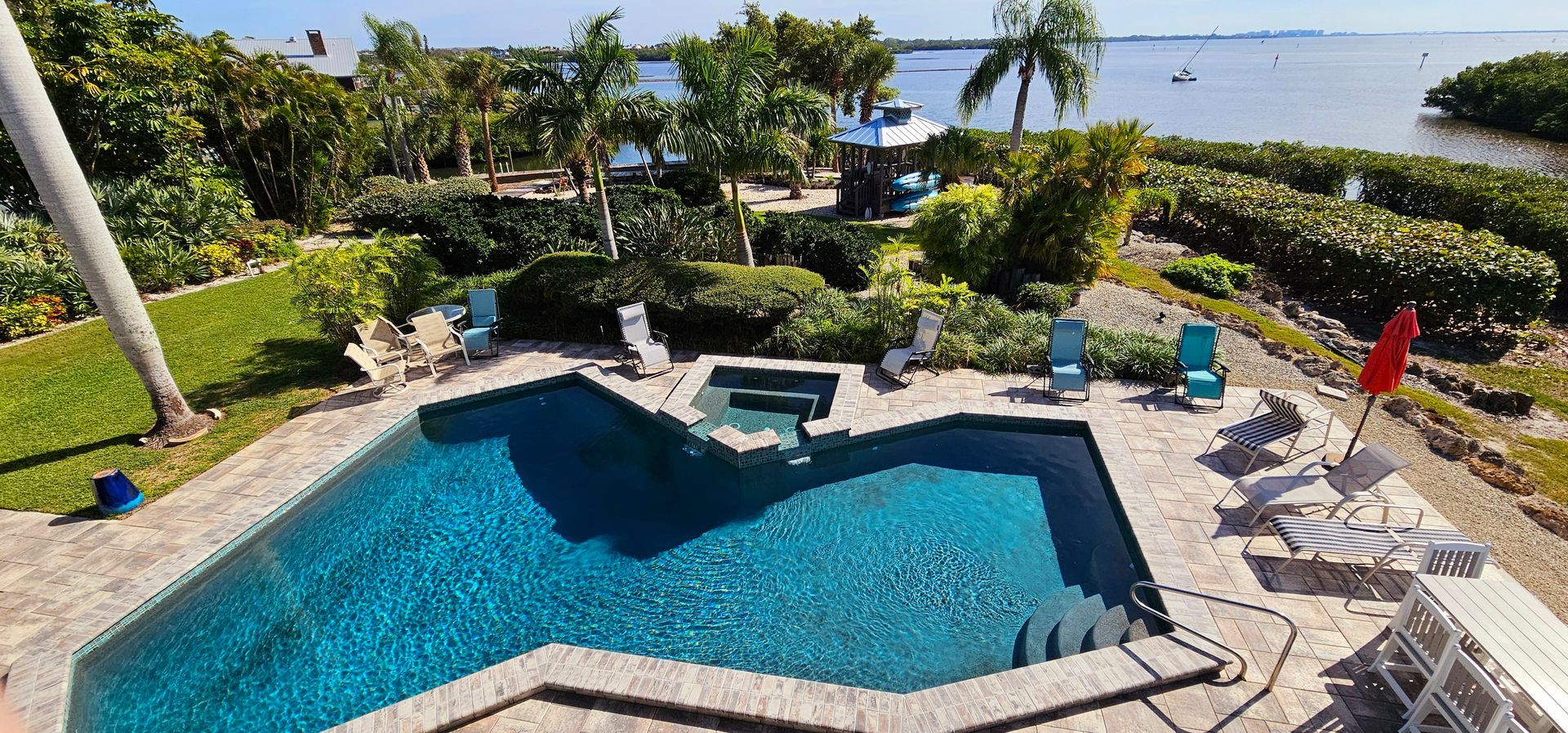
Pool deck pavers operate in one of the harshest microenvironments on any residential property — constant sun, wet/dry cycling, pool chemistry exposure, and heavy foot traffic from wet feet. Unsealed pool deck pavers fade, stain, and develop algae growth faster than pavers in other locations, and the algae growth creates a legitimate safety hazard when the surface is wet.
Sealing pool deck pavers with a product rated for that application protects against chemical exposure and staining while maintaining appropriate surface texture for wet-foot traction. The color stays richer and more consistent, and the surface cleans up more pool deck and lanai cleaning. It's one of the highest-return sealing applications on the property.
Walkways and Entry Paths
Entry walkways make a first impression and they take consistent foot traffic in an area that's often partially shaded — which means they hold moisture longer and develop algae and mildew growth faster than sun-exposed surfaces. Sealed walkways stay cleaner, look better, and are safer underfoot because the algae that makes unsealed walkway pavers slippery doesn't establish as readily on a sealed surface.
Patios and Outdoor Living Areas
Paver patios are the surfaces homeowners spend the most time actually looking at and using. They're visible from inside the home, they're the backdrop for outdoor entertaining, and they take the full range of Florida's organic staining — tannins, pollen, food and drink spills, leaf debris. A sealed patio surface is far more resistant to all of that, cleans up easily after use, and holds its color and character for years longer than an unsealed one.
Frequently Asked Questions — Professional Paver Sealing in Lakewood Ranch
How do I know if my pavers need to be sealed or just cleaned?
Start with the water test. Pour a small amount of water on the surface — if it beads up and sits on top, there's still active sealer doing its job. If it soaks straight in, the sealer has worn down and the paver is exposed. Beyond that, look at the color and the joints. Fading, algae in the grout lines, or staining that doesn't rinse off easily are all signs that the surface is unprotected and would benefit from a professional clean and seal. In most cases if a Lakewood Ranch paver surface hasn't been sealed in two or more years, it's due.
Will sealing make my pavers slippery around the pool?
Only if the wrong product is used — and that's exactly why product selection matters. A gloss or high-sheen sealer applied to a pool deck without considering wet-foot traction is a genuine safety problem. The right sealer for pool deck applications maintains the surface texture of the paver while still providing the protective and aesthetic benefits of sealing. A professional who does this regularly knows which products are appropriate for pool deck use and won't put a finish down that creates a hazard.
Can I seal pavers that have never been sealed before?
Absolutely — and virgin pavers that have never been sealed actually respond beautifully to the process because there's no failed sealer to deal with, just a clean surface ready to accept the product. The process is still a professional cleaning first to remove any accumulated algae, staining, or organic buildup, followed by drying time and sealer application. The result on a freshly cleaned, previously unsealed paver surface is typically dramatic — colors that haven't been visible in years come back, and the finish looks the way the pavers were supposed to look when they were first installed.
How long does paver sealing last in Florida's climate?
Two to three years is the typical range for a quality sealer applied correctly. Pool decks and driveways that see more intense use and exposure tend to land closer to the two-year mark. Less-trafficked surfaces in partial shade can sometimes go a bit longer. Florida's UV intensity accelerates sealer breakdown faster than in cooler climates, which is why the maintenance interval here is shorter than what you might see recommended for other parts of the country. The water bead test is the most reliable way to gauge whether it's time — don't wait for visible staining to set in before resealing.
What happens if I try to seal my pavers myself?
The most common outcomes are a cloudy or blotchy finish from sealing over a surface that wasn't thoroughly cleaned and dried, lap marks and uneven sheen from inconsistent application, and premature sealer failure from insufficient surface prep or using a product that isn't suited to the specific paver material. None of those problems are cheap or easy to fix after the fact — stripping a failed sealer requires its own process and adds cost before the correct application can even begin. The labor cost of a professional application is well worth it compared to the cost of addressing a DIY job that didn't hold up.
Does the type of paver material affect what sealer should be used?
Significantly. Concrete pavers, brick pavers, travertine, and other natural stone each have different porosity, surface characteristics, and sensitivities that factor into product selection. Travertine and natural stone typically need a penetrating sealer that protects from within rather than a topical film-forming sealer that can alter the surface texture. Concrete and brick pavers are more forgiving with topical sealers and can accommodate gloss, matte, or penetrating options depending on the application. Using the wrong product for the material — which happens regularly in DIY applications — can result in discoloration, surface damage, or a finish that peels within months.
Should I seal my driveway pavers differently than my pool deck pavers?
The goal is the same — protection, color preservation, and reduced maintenance — but the product considerations differ. Driveway sealers need to withstand vehicle weight and petroleum-based staining without breaking down. Pool deck sealers need to handle constant pool chemistry exposure and wet-foot traffic without becoming slippery. A professional will spec the right product for each application rather than using a single product across both. If you have both surfaces and want them done together, the work can typically be scheduled in the same visit — just with the right product on each.
How do I maintain sealed pavers between professional cleanings?
Routine maintenance on sealed pavers is genuinely straightforward compared to unsealed ones. Regular rinsing with a garden hose removes surface debris before it has a chance to stain. Leaf debris and organic matter should be cleared promptly rather than left to sit, since tannins and moisture can still cause staining over time even on sealed surfaces if they're left long enough. Avoid using harsh chemical cleaners or high-pressure wands on sealed pavers between professional visits — both can degrade the sealer prematurely. For most homeowners, an annual professional cleaning and a resealing every two to three years is all the maintenance a well-sealed paver surface needs to stay in excellent shape.
What Professional Sealing Looks Like When It's Done Right
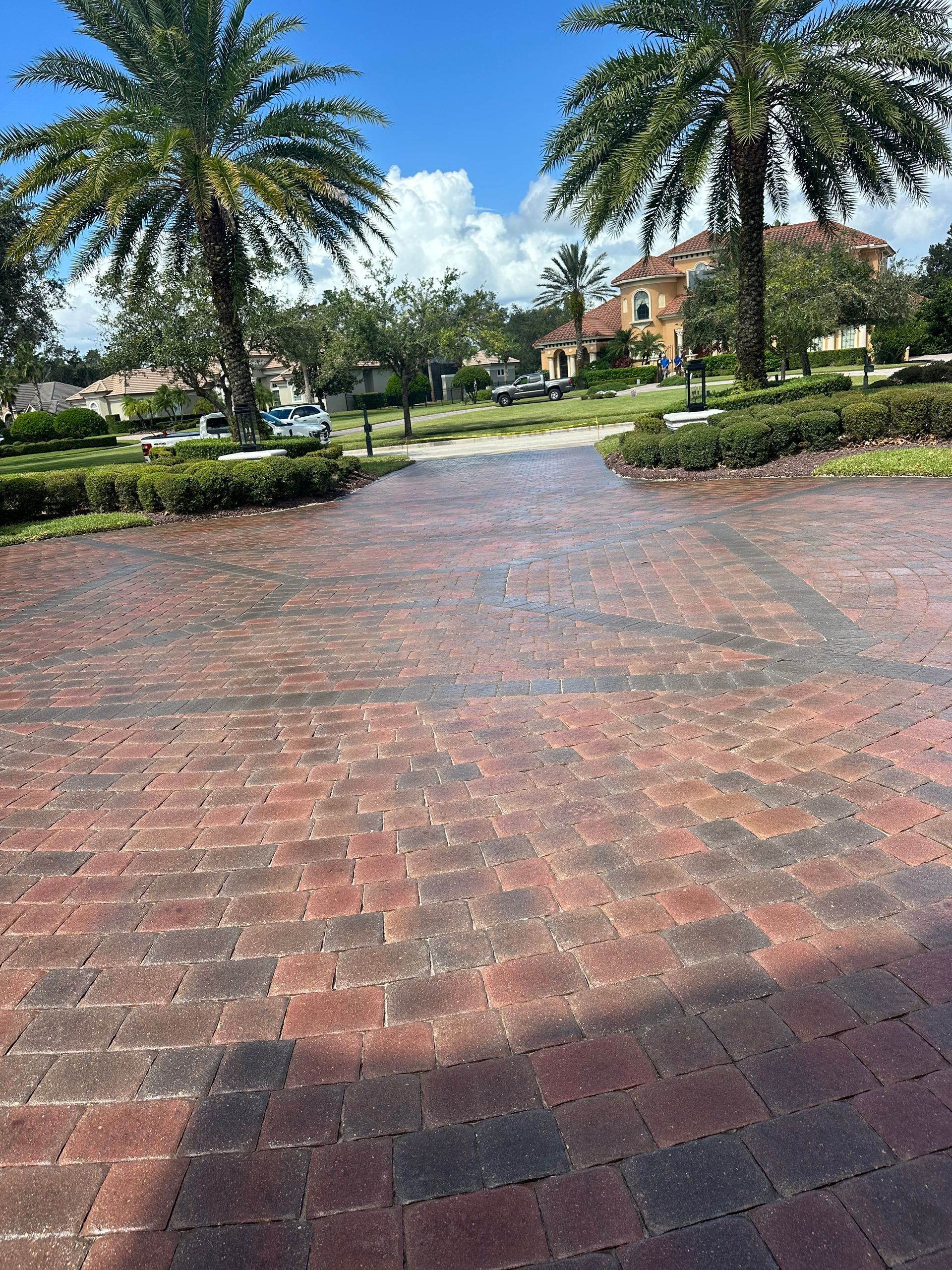
The difference between a professionally cleaned and sealed paver surface and one that's been left unprotected for a few Florida summers is not subtle. Color that's faded back to life. A surface that looks intentional and cared for rather than weathered and forgotten. Joint lines that are clean and defined. Water beading off the surface rather than soaking in.
More importantly, the surface you're maintaining going forward is fundamentally different. You're not cleaning bare, porous pavers that absorb everything they come into contact with. You're maintaining a sealed finish that keeps contaminants at the surface level where routine cleaning can handle them.
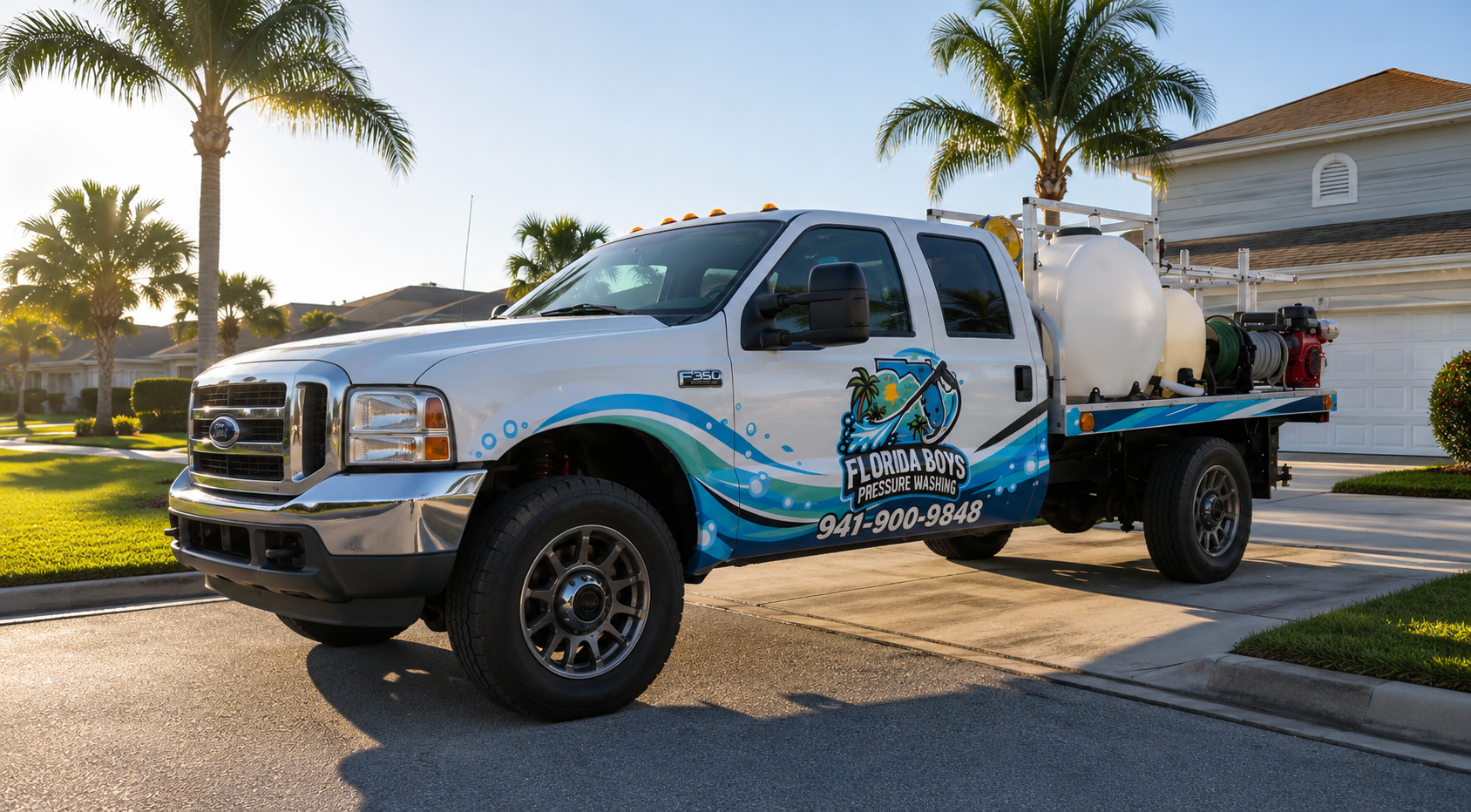
Florida Boys Pressure Washing provides professional paver cleaning and sealing for homeowners throughout Lakewood Ranch and the surrounding communities. We assess the surface, clean it the right way, select the right sealer for the application, and apply it properly so the results hold up the way they're supposed to. Reach out for a free estimate and we'll walk through exactly what your pavers need.
Paver Sealing in Bradenton, FL
Paver Sealing in Lakewood Ranch, FL
Paver Sealing in North Port, FL
Paver Sealing in Fruitville, FL
Paver Sealing in Bayshore Gardens, FL
Paver Sealing in Gulf Gate Estates, FL
Paver Sealing in Longboat Key, FL
Paver Sealing in Myakka City, FL
About the Author
Meet Logan Lipker — Owner of Florida Boys Pressure Washing
Florida Boys Pressure Washing is owned and operated by
Logan Lipker, a Lakewood Ranch native and 2021 graduate of Braden River High School. Logan has spent the last six years in the pressure washing industry, honing his craft with several other companies before going out on his own to bring a higher standard of care to homeowners across the Suncoast.
"I started this company because I saw too many jobs get rushed or half-explained. My goal is simple — treat every property like it's my own, and make sure every homeowner knows exactly what they're paying for and why. That's how you earn trust in this business, not just a paycheck." — Logan Lipker
When he's not on the job, Logan's usually golfing, fishing, at the range, or on the basketball court — he's always had a competitive edge. That drive fuels the business too: Logan's mission is to provide real value and satisfaction to every client, with full transparency from start to finish. Next up, he's looking to expand
Florida Boys Pressure Washing into commercial work, bringing that same trust and quality to businesses across the area.
Articles from the Best Lakewood Ranch Pressure Washing And Paver Sealing Company
We're not just another pressure washing company — we're a trusted part of the Lakewood Ranch, Bradenton, and Sarasota communities. At Florida Boys Pressure Washing LLC, our mission is to help your home or business look its best with quality service you can count on year after year.
Florida Boys Pressure Washing proudly holds
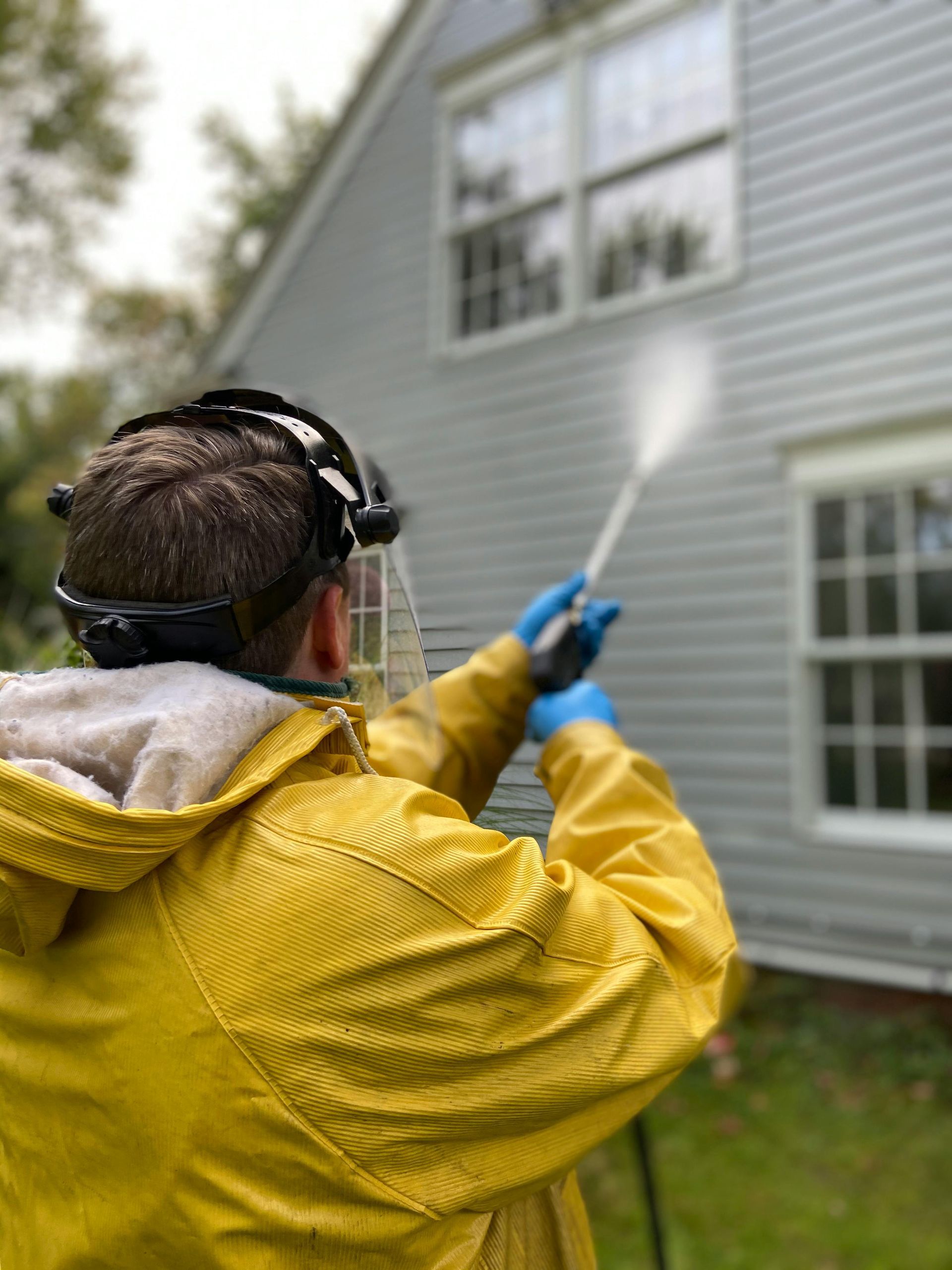
PWNA Contractor Certification, the pressure washing industry's most recognized credential for professionalism, technical training, and ethical business practices.
Pressure Washing Near Me
Find Trusted Pressure Washing Experts in Bradenton, Sarasota & Lakewood Ranch
Florida Boys Pressure Washing LLC is your local partner in maintaining that
Lakewood Ranch shine. From soft wash roof cleaning and house washing to paver sealing and power washing, we proudly help keep this award-winning community looking its absolute best.
Based in
Lakewood Ranch, FL, we are committed to providing reliable, high-quality service to our local community and beyond.
PWNA-Certified Power Washing
Certified Commercial Pressure Washing for Every Property Type
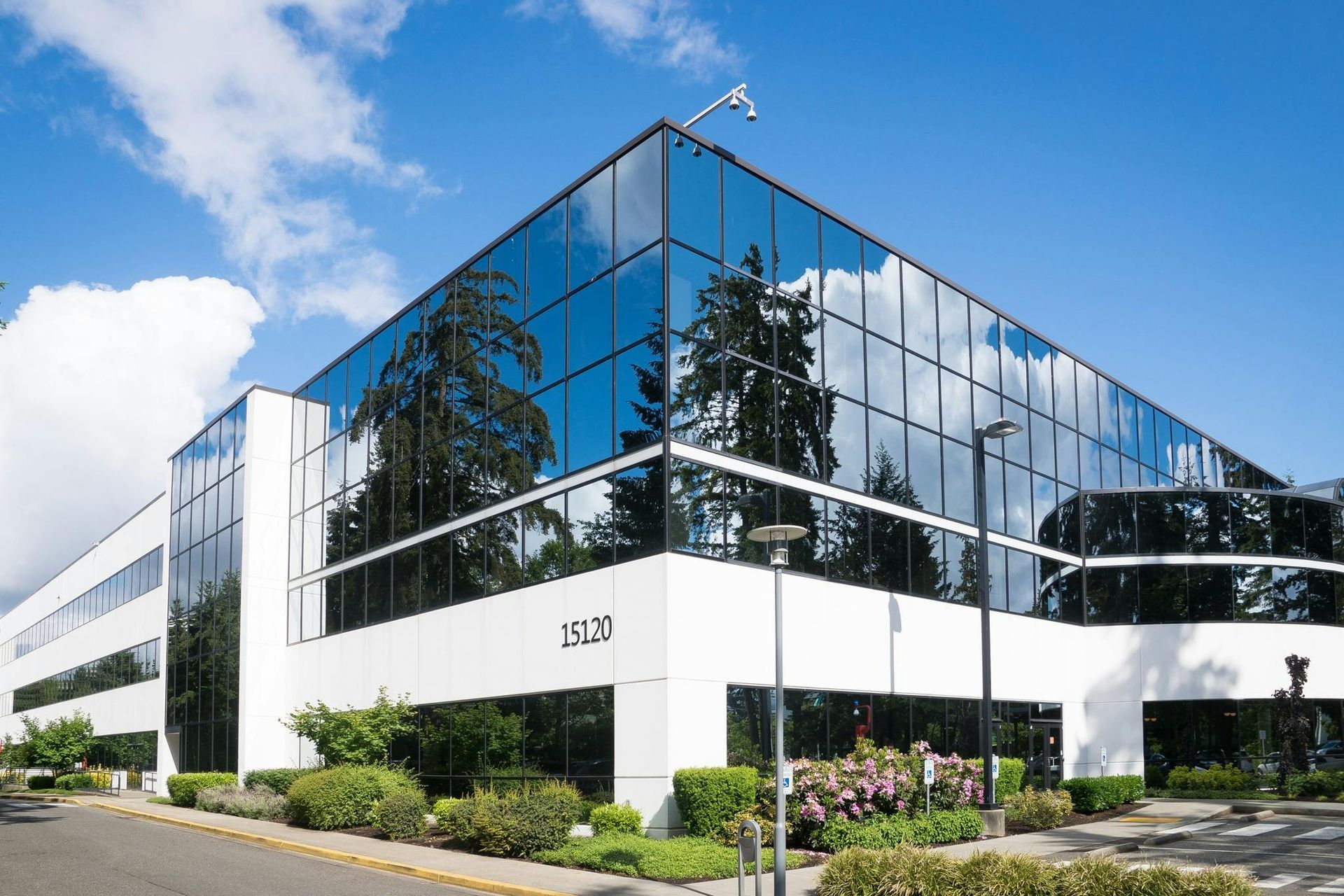
A stained storefront or algae-streaked exterior works against your business before anyone says a word. Florida Boys Pressure Washing provides PWNA-certified commercial pressure washing throughout Lakewood Ranch, Bradenton, and Sarasota — from storefronts and office parks to warehouses and HOA common areas — with the same certified, insured standard on every job. We work around your operating hours, not the other way around, so cleaning never disrupts customers, tenants, or business.
From Storefronts to Warehouses — We've Got Your Property Covered