

HOA Pressure Washing in Lakewood Ranch — Why Community Appearance Is a Shared Investment, Not Just a Chore
PWNA-certified pressure washing, soft wash roof cleaning, house washing, and paver restoration for homeowners and businesses across Lakewood Ranch and the greater Sarasota-Manatee area.
Commercial HOA Pressure Washing Protects Property Values
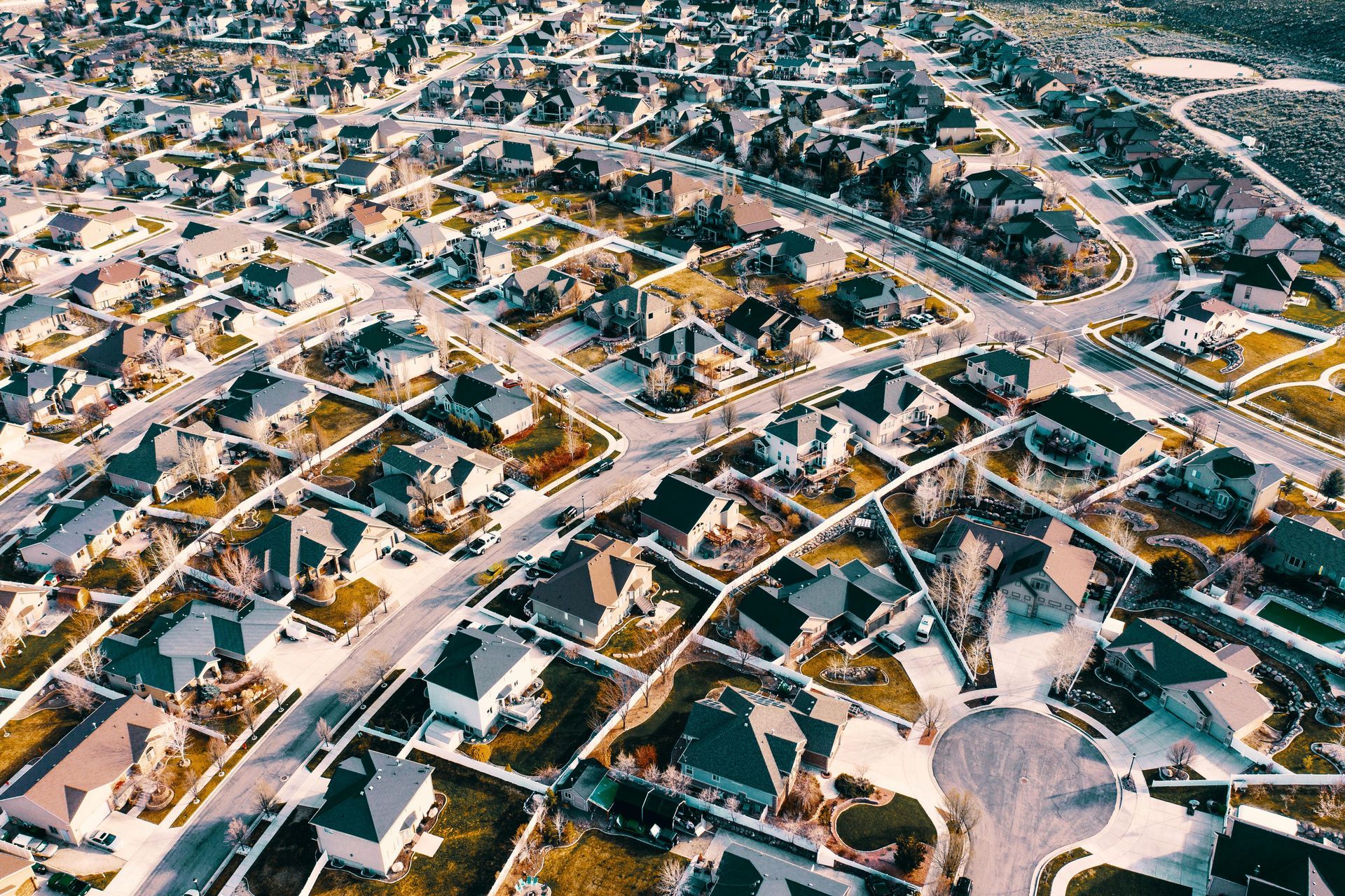
HOA communities in Lakewood Ranch are some of the most visually striking neighborhoods in Florida. The landscaping is mature and maintained, the homes are well-built, and the shared spaces — entry features, sidewalks, clubhouses, pool areas — are part of what drew residents here in the first place. But Florida's climate doesn't care about any of that. Heat, humidity, and near-daily summer rain create conditions that turn clean, attractive shared surfaces into algae-covered, stained, and faded ones faster than most people realize.
For an HOA board or property manager, exterior cleaning isn't a luxury line item — it's one of the most visible and high-impact investments the association makes on behalf of its residents. What the community looks like from the street, what it looks like when a prospective buyer drives through, and what it looks like to residents who pass the same entry feature and sidewalks every single day — all of that is directly affected by how consistently and professionally the exterior surfaces are maintained.
This is what professional HOA pressure washing actually does for a community, why it matters beyond surface appearance, and how a consistent maintenance schedule protects the investment every homeowner has made. Got an HOA violation notice?
What Florida's Climate Does to Community Surfaces
Lakewood Ranch sits in a subtropical climate that accelerates biological growth on exterior surfaces faster than most other parts of the country. The combination of intense UV exposure, high ambient humidity, and long wet seasons creates near-ideal conditions for algae, mildew, and mold to take hold on concrete, pavers, stucco, siding, fences, signage, and any other outdoor surface that stays damp for extended periods.
The summer rainy season brings sustained moisture that keeps surfaces wet for days at a time. Mature landscaping — which is beautiful and one of the defining characteristics of established Lakewood Ranch communities — contributes shade, organic debris, and tannin staining to walkways, entry areas, and common spaces. The same trees and plantings that make a neighborhood look lush are feeding the organic growth that discolors the surfaces underneath them.
Unlike northern climates where hard freezes interrupt biological growth cycles, Florida's mild winters allow algae and mildew to establish year-round. The growth that starts in a joint or in a shaded corner of a walkway in October is still growing in February. Without intervention, it spreads — across pavers, up retaining walls, across the concrete aprons of entry features, and along the sidewalks residents walk every day.
That's not a maintenance failure by any one homeowner. It's the climate doing what the climate does, requiring house washing more often. The question is whether the association gets ahead of it on a proactive schedule or responds reactively after the community has visibly declined.
Entry Features and Signage — The First Impression That Sets the Tone
The entry to an HOA community is the single most visible statement the association makes about how the neighborhood is maintained. A clean, well-kept entry says that the community is actively cared for. A stained, algae-covered entry monument with discolored concrete aprons and faded signage says something very different — and it says it to every visitor, every potential buyer, and every resident who passes through it every day.
Entry features in Lakewood Ranch communities typically include pavers or stamped concrete, stone or stucco monument structures, landscaping borders, and signage. Every one of those materials is susceptible to algae and mildew growth, organic staining, and weather-related discoloration in this climate. And because entry features are often partially shaded by mature landscaping, they tend to accumulate growth faster than sun-exposed surfaces elsewhere on the property.
Commercial Pressure Washing of entry features uses the right chemistry for each surface type — softer wash methods for stucco and stone that would be damaged by high-pressure cleaning, appropriate pressure for concrete and pavers, and treatments that address the biological growth at its source rather than just blasting the visible surface layer. Done correctly, a cleaned entry feature looks dramatically better and continues to look better longer than one that's been power-washed without proper technique.
For communities that want to maintain that first impression year-round, entry feature cleaning on a scheduled cadence — typically every three to six months in this climate — is the approach that keeps it consistently sharp rather than cycling between clean and visibly overgrown.
Sidewalks, Walkways, and Common Area Pathways
Sidewalks and community walkways get a lot of daily foot traffic and a lot of shade from mature canopy trees, which means they're among the fastest-growing surfaces for algae and mildew in any established Lakewood Ranch community. The growth doesn't just look bad — it's slippery when wet, and community sidewalks that are regularly damp from rain or irrigation become a genuine slip hazard as algae establishes.
For HOAs, that's more than an aesthetic problem. Slippery walkways in a common area represent a liability exposure. A resident or visitor who slips on algae-covered community sidewalks has a legitimate premise liability claim against the association, and proactive maintenance that keeps those surfaces clean is the most straightforward way to eliminate that exposure.
Beyond safety, clean sidewalks and pathways have a direct effect on how the community feels to live in. Residents notice when the sidewalk to the mailbox is clean and well-maintained. They notice when it isn't. The perception of the HOA's management competence and responsiveness is reflected in the condition of the surfaces residents interact with every day — and sidewalks are surfaces every resident uses constantly.
Annual cleaning at minimum is appropriate for most sidewalk and pathway surfaces in Lakewood Ranch communities. High-traffic routes or paths with significant shade cover may warrant cleaning twice a year to prevent the growth cycle from getting ahead of the maintenance schedule.
Clubhouses, Pool Areas, and Recreational Surfaces
Clubhouses and community pool areas are the high-visibility shared amenities that HOA residents actually use — and the surfaces in these areas take more intensive use and more intensive Florida weather exposure than anywhere else on the property.
Pool deck surfaces deal with constant wet/dry cycling, splash-out chemistry, and foot traffic from wet feet. Algae and mildew on pool deck surfaces around a community pool aren't just an appearance issue — they're a safety issue and a health concern in a shared amenity space. Regular pool deck and lanai cage cleaning keeps pool decks safe, sanitary, and looking the way they should.
Clubhouse exteriors — typically stucco or painted concrete block — accumulate algae and mildew on north and east-facing walls, under roof overhangs, and in any area with reduced air movement. Soft wash cleaning addresses the biological growth on these surfaces without the surface damage that high-pressure cleaning causes on stucco. The result is a building exterior that looks well-maintained and reflects well on the community overall.
Recreational areas, sports courts, and fitness stations around community amenity areas also benefit from scheduled cleaning. Concrete and paver surfaces in these areas develop the same algae and staining issues as any other outdoor surface in this climate, and keeping them clean is part of maintaining the amenity properly.
Fencing, Walls, and Perimeter Structures
HOA communities in Lakewood Ranch typically have extensive perimeter fencing, privacy walls, and retaining structures throughout the neighborhood. These surfaces run long distances, accumulate biological growth steadily over time, and are highly visible from streets and adjacent properties.
Vinyl fencing — common in many communities — develops a characteristic green algae film that makes white or light-colored fencing look dingy and neglected. The growth is entirely preventable with consistent cleaning, and soft wash cleaning removes it quickly and thoroughly without the brittleness risk that high-pressure washing can cause on vinyl.
Painted masonry walls and stucco retaining structures develop mildew and staining that affects both appearance and long-term surface integrity. Algae and mildew that's left to establish in painted surfaces works into the paint over time, eventually requiring repainting at a cost far higher than the cleaning that would have prevented the damage. Regular cleaning as part of the maintenance schedule protects the paint system and extends the interval between repaints.
The Connection Between Community Appearance and Property Values
The relationship between community cleanliness and property values isn't theoretical — it's observable and direct. Buyers touring Lakewood Ranch communities compare them against each other, and the visual condition of common areas factors significantly into their perception of whether the HOA is well-run and the community is desirable.
A community with clean entry features, bright sidewalks, well-maintained exterior surfaces on common buildings, and clearly cared-for shared spaces signals active, competent management. It creates confidence that the HOA is on top of its responsibilities — which translates into buyer confidence that the neighborhood will continue to be maintained at that standard after purchase.
A community with stained entry monuments, algae-covered sidewalks, and visibly neglected common area surfaces signals the opposite — and it affects not just individual home sales but the comparable values the entire neighborhood is measured against.
For homeowners who may not think about HOA cleaning services as something that directly affects them, it's worth understanding: the condition of the community's shared surfaces is factored into appraisals, it affects buyer perception during showings, and it influences whether prospective residents choose the community or move on to the one that looks better-kept. Regular professional cleaning is one of the most cost-effective investments an HOA makes in protecting the value of every home in the neighborhood.
Building a Cleaning Schedule That Makes Sense
The right maintenance cadence for an HOA depends on the size of the community, the number and type of surfaces being maintained, and the specific exposure conditions — how much shade, how much irrigation, how mature the landscaping is. There's no universal answer, but there are reliable starting points for communities in this climate.
Entry features and high-visibility signage benefit from cleaning every three to six months — more frequently than other surfaces because they set the first impression and accumulate growth quickly in shaded, landscaped environments. Sidewalks and community pathways should be cleaned at least annually, with twice-yearly service appropriate for routes with heavy canopy cover or significant foot traffic. Clubhouses, pool decks, and recreational surfaces warrant annual cleaning at minimum, with pool areas benefiting from more frequent attention given their heavy use. Perimeter fencing and walls can typically be addressed on an annual schedule, though vinyl fencing that develops visible green film faster may need semi-annual attention.
Beyond the calendar schedule, the most useful approach is working with a cleaning provider who can assess the community's specific surfaces and usage patterns and recommend a schedule that keeps everything consistently clean rather than cycling between maintained and visibly overgrown.
Frequently Asked Questions — HOA Pressure Washing in Lakewood Ranch
Why does our community's entry feature look dirty so fast even after it's cleaned?
Entry features in Lakewood Ranch communities are almost always partially shaded by mature landscaping — which is beautiful but also means those surfaces hold moisture longer and support algae growth faster than open, sun-exposed surfaces. The growth cycle in Florida's climate doesn't stop in the winter the way it does in northern climates, so algae that starts establishing a few months after cleaning will be visible again within four to six months on a heavily shaded entry. That's not a product of poor cleaning — it's the climate. A cleaning schedule set to that interval keeps the entry consistently looking its best rather than waiting until it's visibly declined.
Is pressure washing safe for stucco on community buildings and walls?
Stucco requires soft washing rather than high-pressure cleaning. Direct high-pressure water on stucco can damage the finish, force water behind the surface, and accelerate the deterioration of the paint system. Soft washing uses lower pressure with cleaning agents that address the biological growth — algae, mildew, and mold — at the source. The result is a thoroughly cleaned stucco surface without the surface damage or moisture intrusion risk that pressure washing causes. Any professional provider doing HOA work on stucco structures should be using soft wash methods on those surfaces.
How does the HOA address liability for slippery sidewalks?
Algae and mildew growth on community sidewalks in a wet climate is a documented slip hazard, and HOAs do carry premises liability exposure for conditions in common areas. The most straightforward defense against that exposure is a documented, consistent cleaning schedule that removes the biological growth before it creates a hazard. Keeping records of when cleaning was performed and what surfaces were addressed demonstrates proactive maintenance — which matters significantly if a slip incident ever results in a claim.
Can different surfaces in the community be cleaned in the same visit?
Yes — and scheduling multiple surfaces in a single visit is typically the most efficient and cost-effective approach for HOA work. Entry features, sidewalks, clubhouse exteriors, pool decks, and fencing can all be addressed in the same scheduled service day, with the appropriate cleaning method applied to each surface type. Combining surfaces reduces the per-visit overhead cost and minimizes the disruption to the community compared to scheduling multiple separate visits throughout the year.
What's the difference between a one-time clean and an ongoing maintenance contract for HOA work?
A one-time cleaning addresses what's currently on the surfaces and delivers an immediate improvement in appearance, but the growth cycle starts again as soon as the cleaning is done. In Florida's climate, an HOA that cleans once and doesn't schedule follow-up service will see visible biological growth returning within a few months on shaded, high-moisture surfaces. An ongoing maintenance contract sets a regular schedule that keeps surfaces consistently clean — preventing the growth from re-establishing to the point of being visible before it's addressed again. The maintenance approach looks better year-round, costs less per clean than emergency one-time visits, and builds a working relationship with a provider who understands the community's specific surfaces and needs.
How should the HOA communicate cleaning days to residents?
Professional HOA cleaning providers are used to working around occupied communities and should be able to give clear advance notice of scheduled service days so the HOA can communicate to residents. Typically a heads-up of a few days is sufficient — residents who park near shared driveways or use the pool areas should know when those surfaces will be cleaned and temporarily unavailable. A good provider coordinates this communication directly with the property manager or board contact and handles scheduling logistics without requiring significant board involvement.
Does exterior cleaning help extend the life of painted surfaces and finishes?
Significantly. Algae and mildew that's left to establish on painted masonry, stucco, and fence surfaces works into the paint film over time and eventually causes the paint to fail earlier than it would otherwise. Regular cleaning removes the biological growth before it can penetrate and damage the paint system, extending the time between repaints and protecting the finish investment. For HOA communities that budget for periodic painting of common structures and fencing, consistent cleaning between paint cycles is one of the most cost-effective ways to get the maximum life out of each paint application.
Working with a Professional Provider Who Understands HOA Work
Commercial HOA pressure washing is meaningfully different from residential work — not just in scale, but in the coordination and professionalism required to execute it well. A provider working in an active community needs to schedule around resident activity, communicate clearly with property managers and board members, manage equipment and water on shared property without inconvenience to residents, and deliver consistent results across a wide variety of surface types and conditions.
Florida Boys Pressure Washing works with HOA communities throughout Lakewood Ranch and the surrounding area. We understand what these communities need, how to work within occupied neighborhoods professionally, and how to develop a cleaning schedule that keeps shared surfaces in consistently good condition without requiring constant oversight from the board or property manager. Reach out for a consultation and we'll walk through your community's surfaces, your current maintenance gaps, and what a reliable ongoing schedule looks like.
About the Author
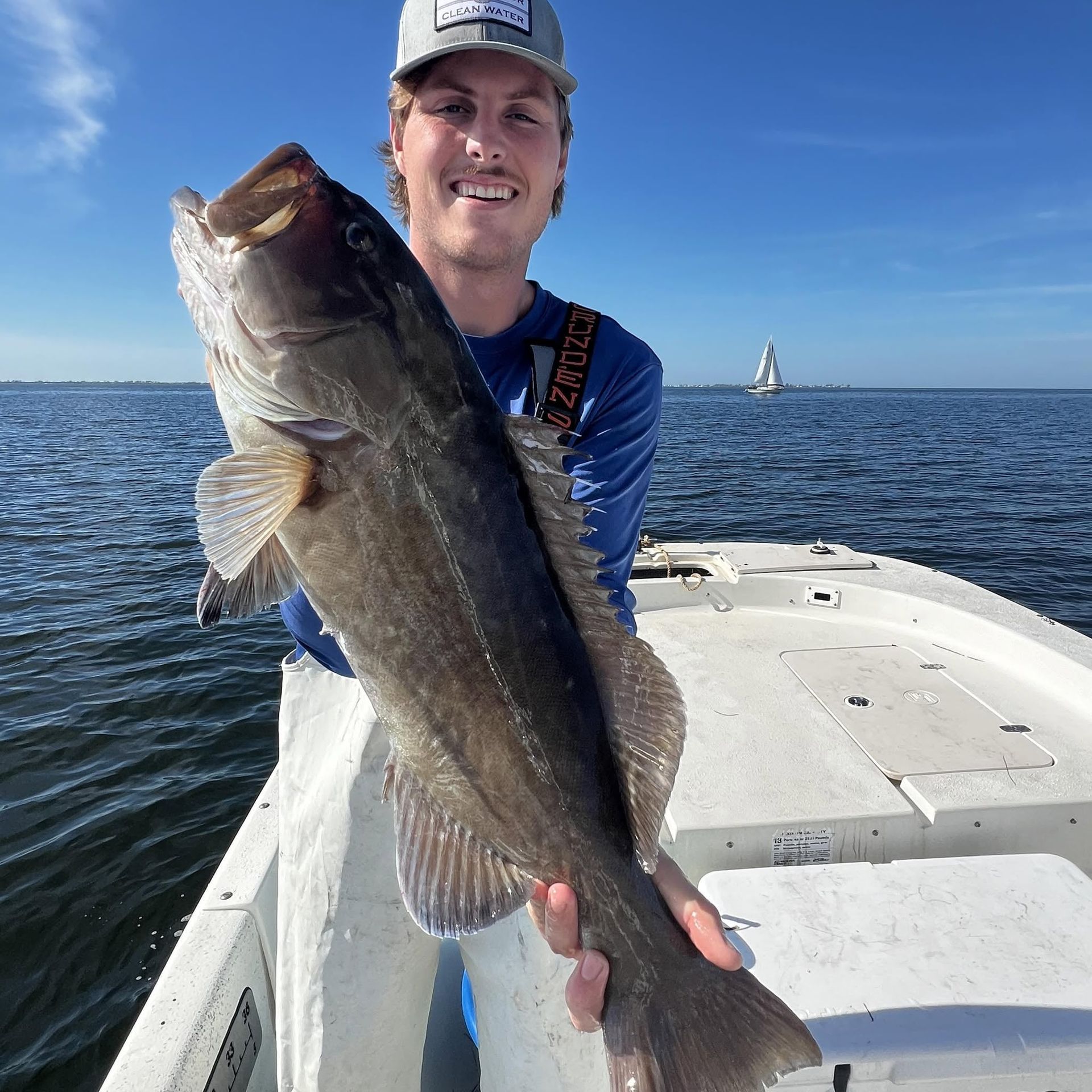
Meet Logan Lipker — Owner of Florida Boys Pressure Washing
Florida Boys Pressure Washing is owned and operated by
Logan Lipker, a Lakewood Ranch native and 2021 graduate of Braden River High School. Logan has spent the last six years in the pressure washing industry, honing his craft with several other companies before going out on his own to bring a higher standard of care to homeowners across the Suncoast.
"I started this company because I saw too many jobs get rushed or half-explained. My goal is simple — treat every property like it's my own, and make sure every homeowner knows exactly what they're paying for and why. That's how you earn trust in this business, not just a paycheck." — Logan Lipker
When he's not on the job, Logan's usually golfing, fishing, at the range, or on the basketball court — he's always had a competitive edge. That drive fuels the business too: Logan's mission is to provide real value and satisfaction to every client, with full transparency from start to finish. Next up, he's looking to expand
Florida Boys Pressure Washing into commercial work, bringing that same trust and quality to businesses across the area.
Articles from the Best Lakewood Ranch Pressure Washing And Paver Sealing Company
We're not just another pressure washing company — we're a trusted part of the Lakewood Ranch, Bradenton, and Sarasota communities. At Florida Boys Pressure Washing LLC, our mission is to help your home or business look its best with quality service you can count on year after year.
Florida Boys Pressure Washing proudly holds
PWNA Contractor Certification, the pressure washing industry's most recognized credential for professionalism, technical training, and ethical business practices.
Pressure Washing Near Me
Find Trusted Pressure Washing Experts in Bradenton, Sarasota & Lakewood Ranch
Florida Boys Pressure Washing LLC is your local partner in maintaining that
Lakewood Ranch shine. From soft wash roof cleaning and house washing to paver sealing and power washing, we proudly help keep this award-winning community looking its absolute best.
Based in
Lakewood Ranch, FL, we are committed to providing reliable, high-quality service to our local community and beyond.
PWNA-Certified Power Washing
Certified Commercial Pressure Washing for Every Property Type
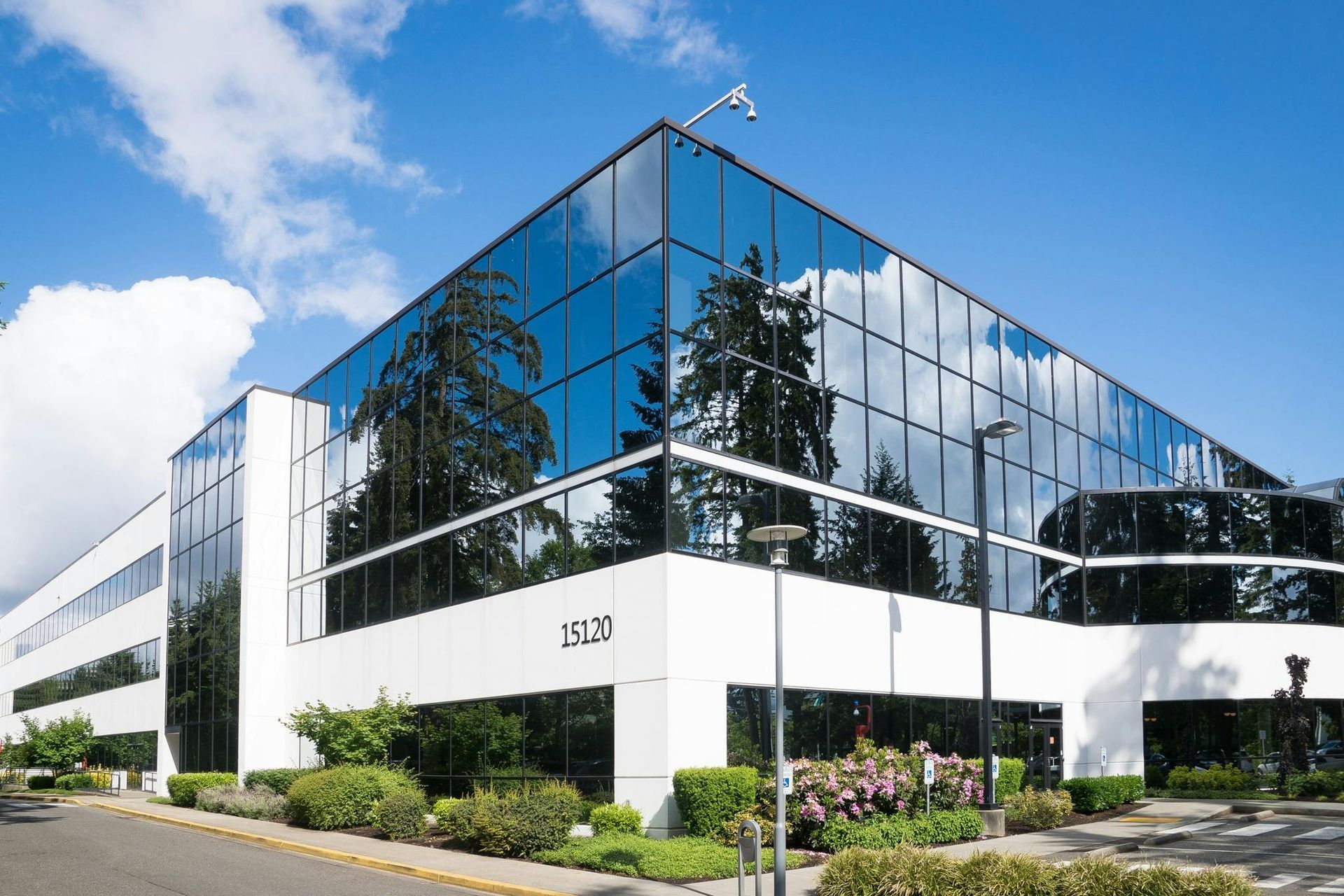
A stained storefront or algae-streaked exterior works against your business before anyone says a word. Florida Boys Pressure Washing provides PWNA-certified commercial pressure washing throughout Lakewood Ranch, Bradenton, and Sarasota — from storefronts and office parks to warehouses and HOA common areas — with the same certified, insured standard on every job. We work around your operating hours, not the other way around, so cleaning never disrupts customers, tenants, or business.
From Storefronts to Warehouses — We've Got Your Property Covered